
Changelog: Registry Validation for Auto-package Creation
Hello Scarf Community! We are excited to announce that the Docker Auto Package Creation feature now includes validation!


Hello Scarf Community!
We are excited to announce that the Docker Auto Package Creation feature now includes validation!
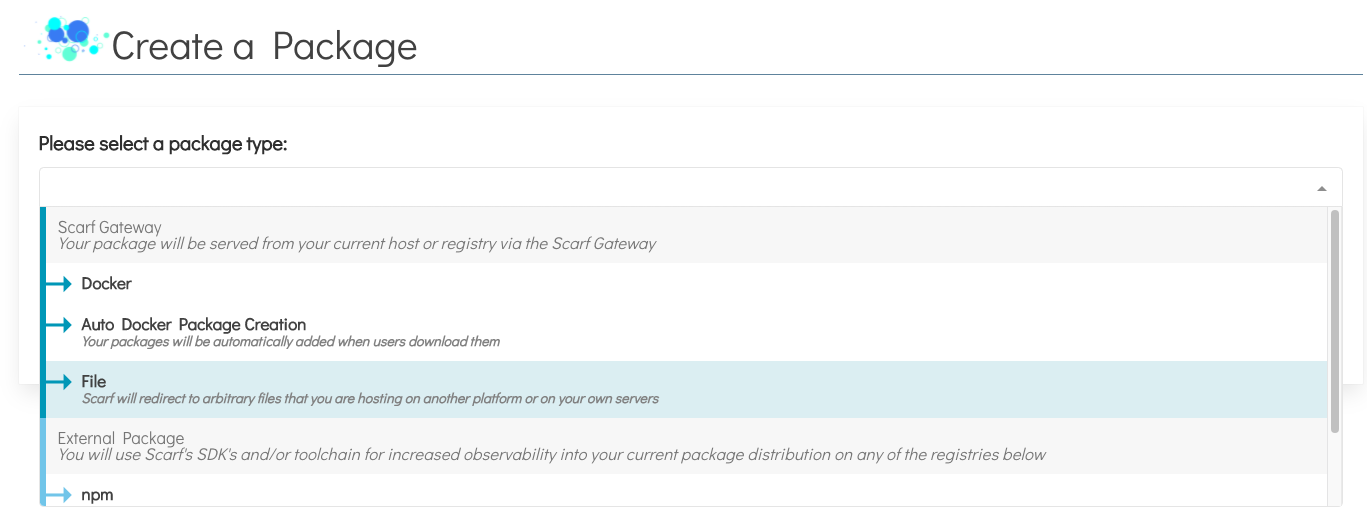
Create a package on Scarf
At the beginning of this year we announced the wildcard support with automatic package creation for Docker.
Auto-Package-Creation gives organizations the ability to specify a pattern that will be matched on a pull on your domain.
The Problem Validation Solves
This feature has been popular with organizations that have a lot of Docker images.
Now when these organizations implement the wildcard support and run docker pull, Scarf will verify that the package actually exists on the registry. Once validated, we create a package entry in Scarf for packages that are not already present.
That’s it!
We look forward to hearing about your experience using this new feature with validation, and if you have any feedback or questions please let us know in the Scarf Community Slack.

Beyond the Surface: How to Engage with the Quiet Members of your Open Source Community
In the dynamic realm of community management, marketing, and developer relations, success depends upon more than just attracting attention. It's about fostering meaningful relationships, nurturing engagement, and amplifying your community's impact.
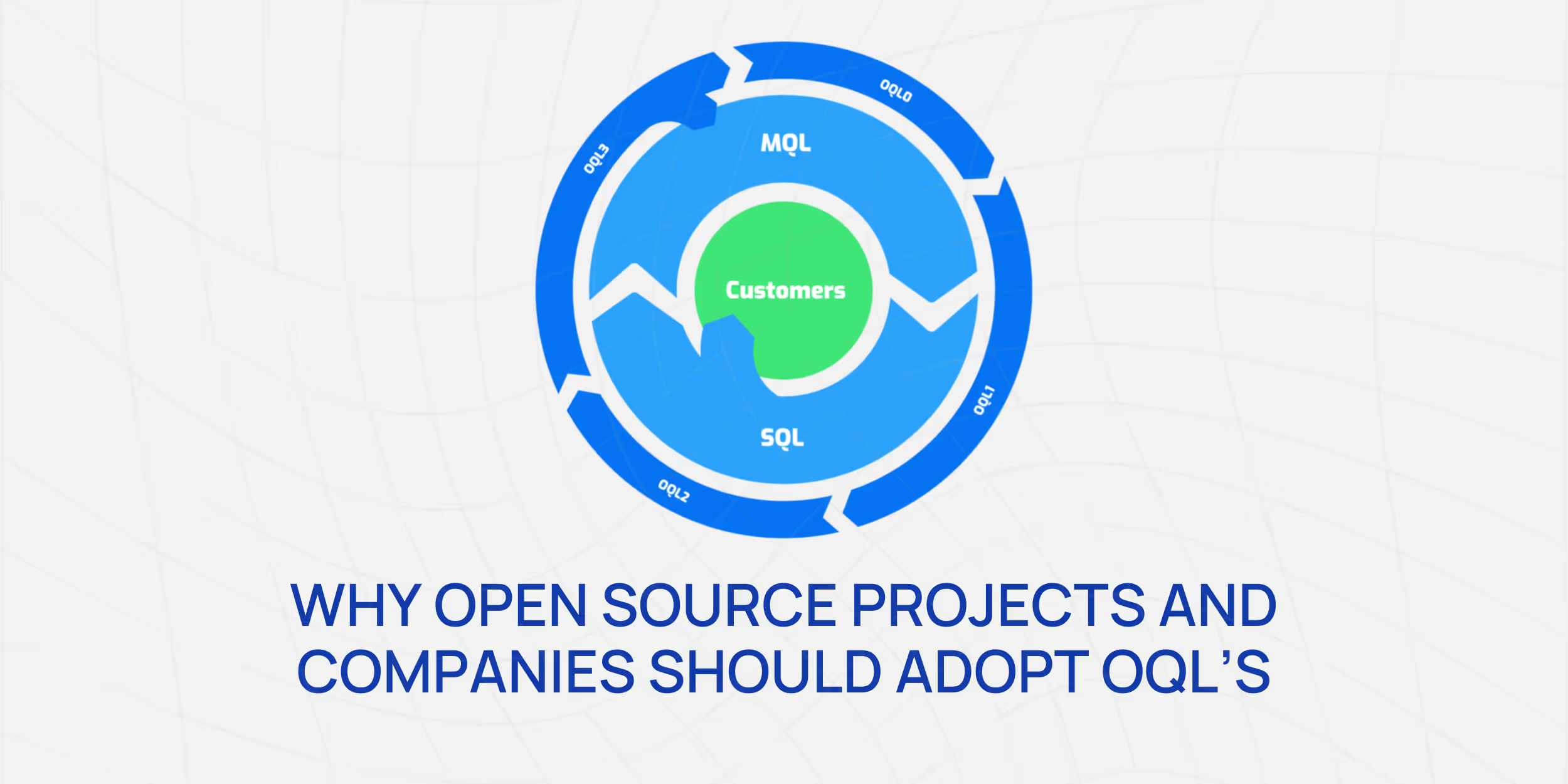
Why Open Source Projects and Companies Should Adopt "Open Source Qualified Leads"
The modern digital age, driven by the proliferation of open-source projects, is as much about community as it is about the code. This means understanding and engaging with potential adopters, contributors, and users becomes critical for the health and success of a project or product. Here enters the concept of "Open Source Qualified Leads" (OQL).

Mastering Telemetry in Open Source: A Simple Guide to Building Lightweight Call Home Functionality
Implementing a call-home functionality or telemetry within open-source software often raises privacy concerns within the community. Many parties, including enterprise security teams, customer advocates, and developers, express rightful apprehensions about the transmission, storage, and usage of data.
