Unstructured
2x higher outreach response
Unstructured reported twice the response rate when outreach used Open Source Qualified Leads from Scarf.
Dave Donahue, Head of Strategy

Scarf is an open source usage intelligence platform that helps open source teams identify which companies use their software and how adoption changes over time. It connects package downloads, documentation visits, and product telemetry to the companies behind them so teams can measure adoption, prioritize accounts, and find companies that may be ready for a commercial product.
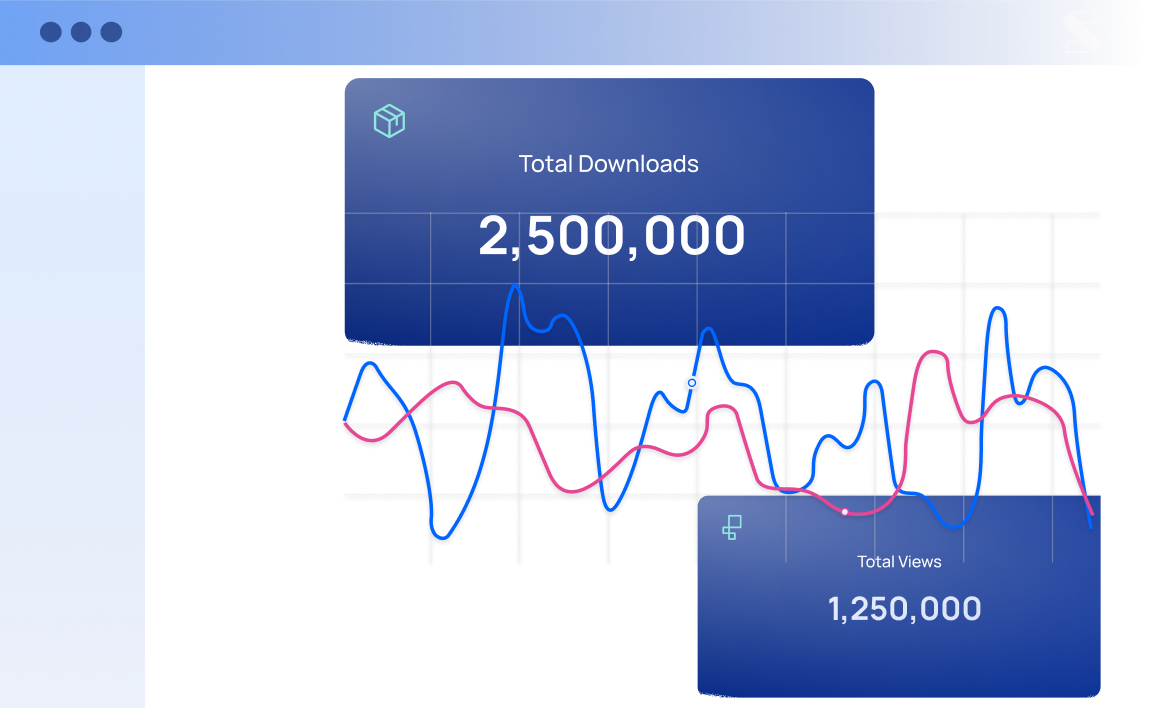






Scarf is included in project benefits at the Apache Software Foundation, Linux Foundation, CNCF, OWASP, and Commonhaus.
Bring together the signals that show how organizations discover, evaluate, and continue using your software.
Connect package and container registries, files, APIs, documentation, or product telemetry you control.
See which organizations are active, what they use, which versions they run, and how engagement changes over time.
Prioritize accounts, follow adoption changes, export data, or send selected signals to the systems your team already uses.
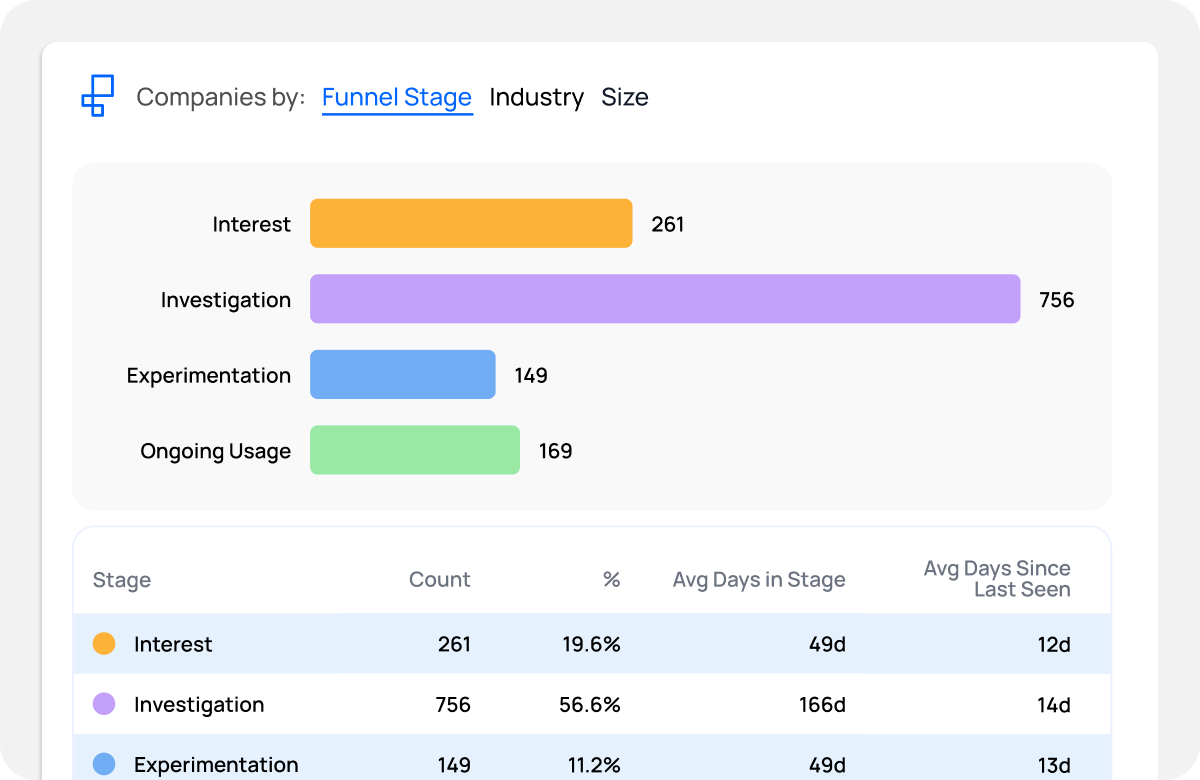

At Liquibase, community usage identified by Scarf is a core requirement for the company's top ICP tiers and now guides territory planning, ABM, and nurture.
Read the case studyScarf can identify organizations downloading Docker, Helm, npm, PyPI, Homebrew, GitHub Releases, S3, Maven Central, files, and APIs, then connect those signals with documentation visits and product telemetry. Connect only the sources that fit your project, without moving your software or collecting personal data.
Connect a publisher namespace directly. No changes to your packages or install instructions are required.
Connect Maven CentralTrack Docker, Helm, npm, PyPI, Homebrew, GitHub Releases, S3, and nearly any other place your project distributes software.
Put Scarf Gateway in front of a file or API while keeping your existing host and public URLs under your control.
Add a lightweight pixel to understand which organizations read your docs and open source product pages.
Send selected CLI, SDK, or application events from telemetry that your project chooses to collect.
Open source adoption signals can help revenue teams prioritize accounts, product teams understand deployment, and founders prove that adoption is real.
Unstructured reported twice the response rate when outreach used Open Source Qualified Leads from Scarf.
Budibase used repeat downloads from large companies to show investors that adoption was real and growing.
Redpanda used adoption data to understand where Kubernetes usage was strongest and prioritize engineering work.
Teams can save and filter accounts in Scarf, then send selected data to Slack, Salesforce, HubSpot, Common Room, or your own systems through exports, APIs, and webhooks.
Learn more about data exports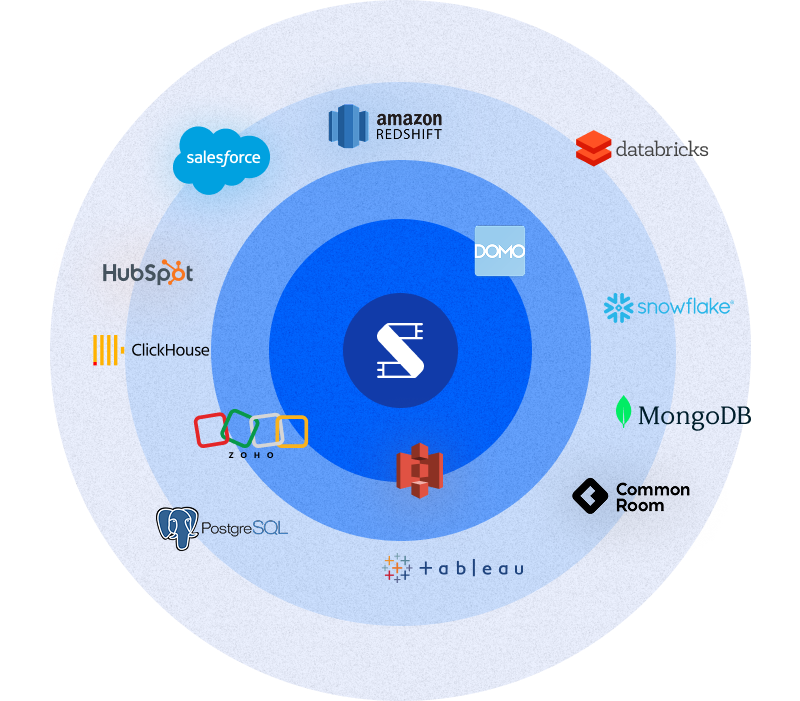
Scarf is designed to identify organizational adoption without building person-level profiles.

Scarf identifies organizational adoption without building person-level profiles.
Raw IP addresses are not retained or exposed in the Scarf product.
Run Scarf Gateway in your own infrastructure when your project requires it.
Scarf is included in benefits for projects at the Apache Software Foundation, Linux Foundation, CNCF, OWASP, and Commonhaus.
Collect as much open source usage data as you need for free. Starter includes 3 Company Unlocks and 25 Runs each month. Pay for more company detail and automation when the data becomes useful to your team.
