
Switching Container Registries With Zero Downtime
You can change the hosting provider of your packages, containers, and files without impacting the end user with Scarf.Scarf Gateway (available under the Apache 2 license at https://github.com/scarf-sh/gateway ) and our managed Scarf service are designed to provide you with an easy way to change out the back-end container registry, package location, or file hosting platform for your open source software. Scarf Gateway does this by creating a custom domain redirect to the channels distributing your software. If you find a provider not meeting your needs, simply update the endpoint, and all your users will continue using the same commands and destinations they used previously with no noticeable change.

You can change the hosting provider of your packages, containers, and files without impacting the end user with Scarf.
Scarf Gateway (available under the Apache 2 license at https://github.com/scarf-sh/gateway ) and our managed Scarf service are designed to provide you with an easy way to change out the back-end container registry, package location, or file hosting platform for your open source software. Scarf Gateway does this by creating a custom domain redirect to the channels distributing your software. If you find a provider not meeting your needs, simply update the endpoint, and all your users will continue using the same commands and destinations they used previously with no noticeable change.
Scarf Gateway
How Scarf Gateway works is similar to a link shortener like bit.ly, which acts as a domain gateway to redirect traffic. Where it is different from a normal link shortener is it is designed to be compatible with the different API’s used by various services like:
- Registries like Docker Hub, Google Container Registry, RedHat Quay, Amazon Elastic Container Registry, and Azure Container Registry
- Package managers like Nix, homebrew, RPM, Apt, etc,
- Language specific package managers like pip or npm,
- Files coming via source control repos (Github or Gitlab)
- Or any file that is a direct download on the internet

One Line Change:
If you are using the open source version of the Scarf Gateway, changing container registries is literally a one-line change
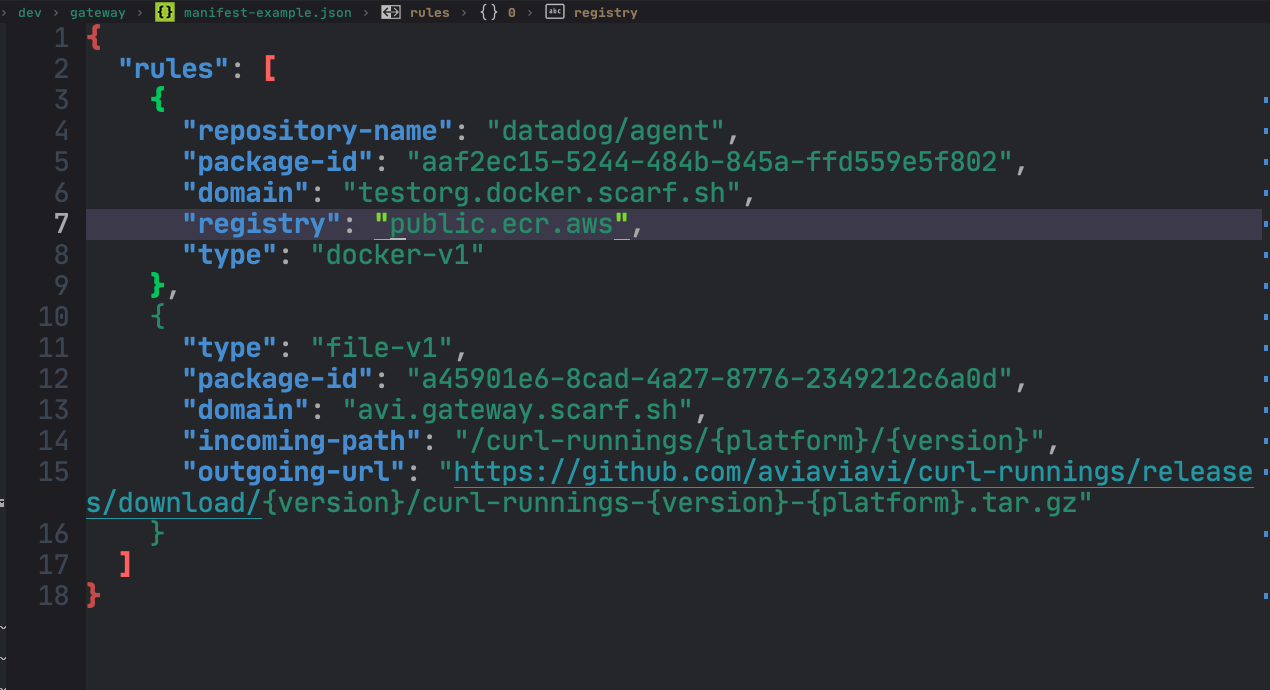
Sending traffic through testorg.docker.scarf.sh -> ECR
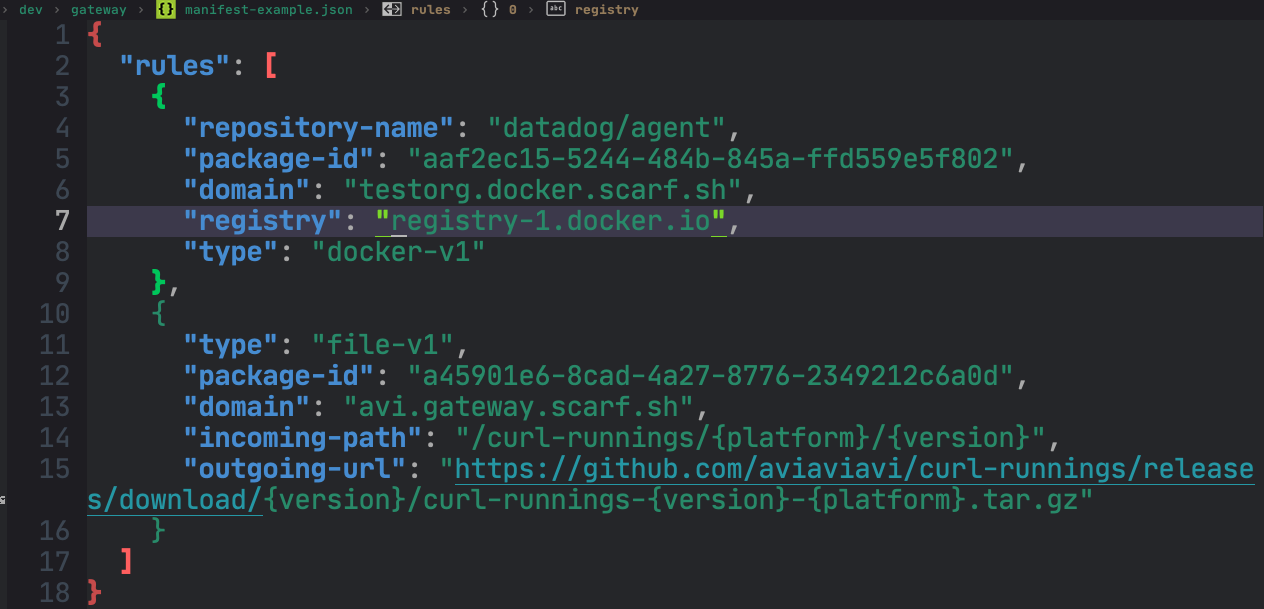
Sending traffic through testorg.docker.scarf.sh -> Docker Hub
Update the registry variable in the configuration, and all your user’s pull commands will redirect to the new location. No fuss.
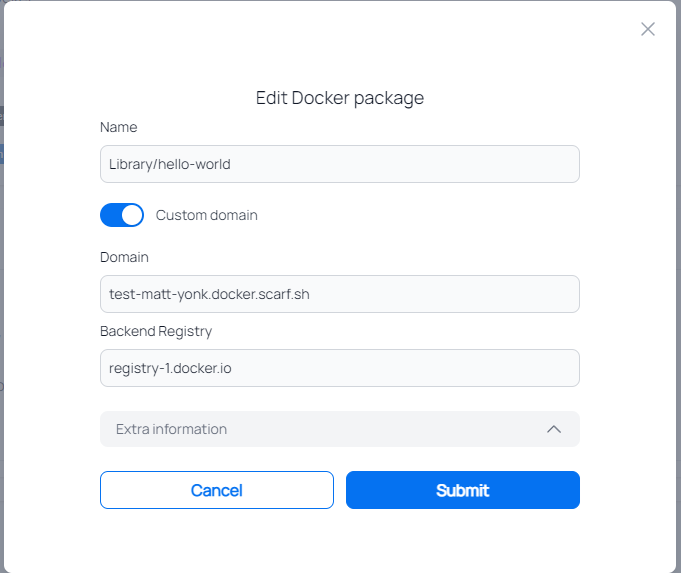
If you are using Scarf.sh’s managed service the UI is just as simple (note using our hosted managed service is free if you don’t want to run the gateway on your own):
See how Scarf enables you to see more about your downloads:
You can see an example setup using the UI here (~3 minutes):
Beyond the Surface: How to Engage with the Quiet Members of your Open Source Community
In the dynamic realm of community management, marketing, and developer relations, success depends upon more than just attracting attention. It's about fostering meaningful relationships, nurturing engagement, and amplifying your community's impact.
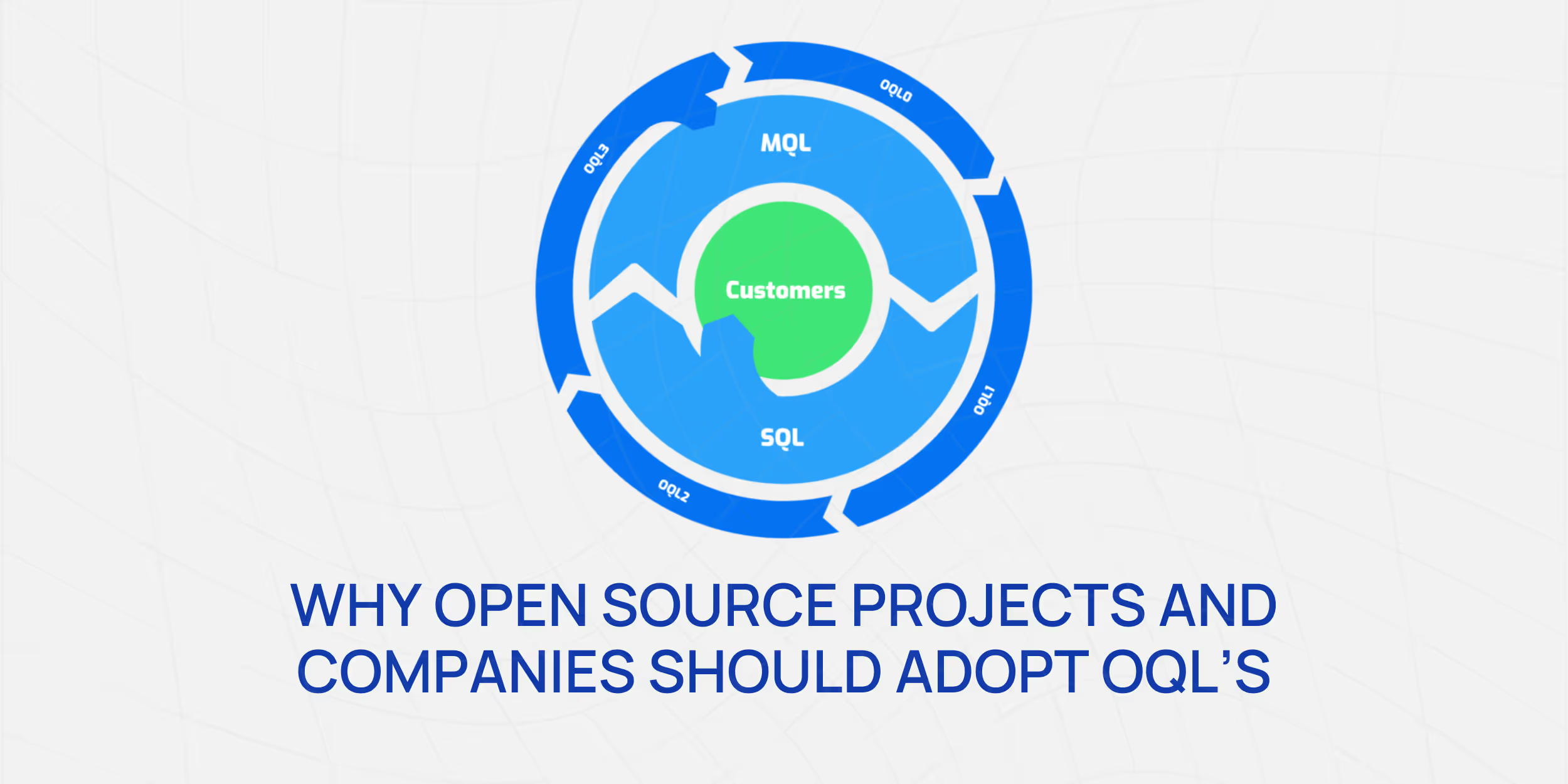
Why Open Source Projects and Companies Should Adopt "Open Source Qualified Leads"
The modern digital age, driven by the proliferation of open-source projects, is as much about community as it is about the code. This means understanding and engaging with potential adopters, contributors, and users becomes critical for the health and success of a project or product. Here enters the concept of "Open Source Qualified Leads" (OQL).

Mastering Telemetry in Open Source: A Simple Guide to Building Lightweight Call Home Functionality
Implementing a call-home functionality or telemetry within open-source software often raises privacy concerns within the community. Many parties, including enterprise security teams, customer advocates, and developers, express rightful apprehensions about the transmission, storage, and usage of data.
