
Changelog: New Pixel Snippet
Scarf updated the copyable Documentation Insights tracking pixel snippet so referrer paths are sent correctly when the pixel loads.

Hello Scarf Community! 👋
We wanted to let Documentation Insights users know that we have updated the copyable tracking pixel snippet. This new snippet will ensure that the referrer path is properly sent when the tracking pixel is loaded.
What Has Changed?
We have added the HTML attribute [referrerpolicy](https://developer.mozilla.org/en-US/docs/Web/HTTP/Headers/Referrer-Policy)\="no-referrer-when-downgrade" to the tracking pixel’s image tag. This ensures referrer information will be sent as long as the attached URL includes secured encryption with `https`. All Documentation Insights URLs are provided over https.
Update Your Pixel Snippet!
Users need to update their embedded snippets to ensure that the referrer path is now properly sent when the tracking pixel is loaded. Please take a moment to update your pixel embeddings.
For more information about using our tracking pixel, see the Documentation Insights section of our docs.
That’s it!
If you have any feedback or questions please let us know in the Scarf Community Slack.
Beyond the Surface: How to Engage with the Quiet Members of your Open Source Community
In the dynamic realm of community management, marketing, and developer relations, success depends upon more than just attracting attention. It's about fostering meaningful relationships, nurturing engagement, and amplifying your community's impact.
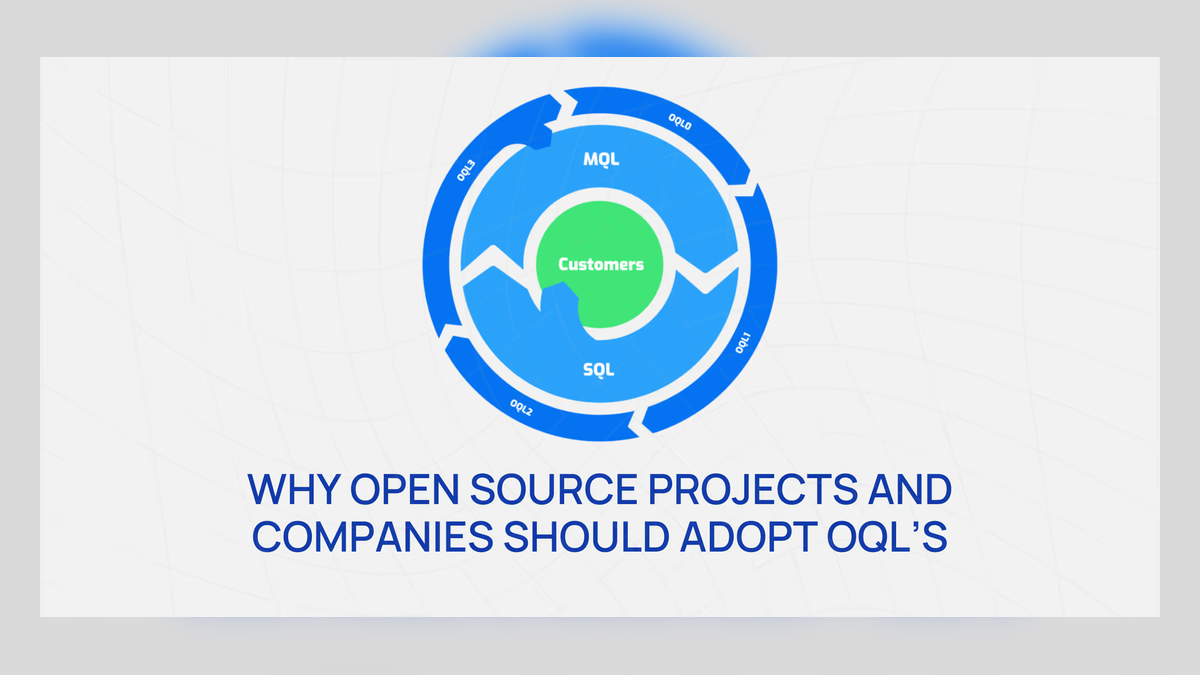
Why Open Source Projects and Companies Should Adopt "Open Source Qualified Leads"
The modern digital age, driven by the proliferation of open-source projects, is as much about community as it is about the code. This means understanding and engaging with potential adopters, contributors, and users becomes critical for the health and success of a project or product. Here enters the concept of "Open Source Qualified Leads" (OQL).
Mastering Telemetry in Open Source: A Simple Guide to Building Lightweight Call Home Functionality
Implementing a call-home functionality or telemetry within open-source software often raises privacy concerns within the community. Many parties, including enterprise security teams, customer advocates, and developers, express rightful apprehensions about the transmission, storage, and usage of data.
